California · Destination guide
Joshua Tree rentals with private pools
Plan a private-pool stay near Joshua Tree National Park: desert heat and cold nights, dark skies, where to stay and what to ask about the pool.
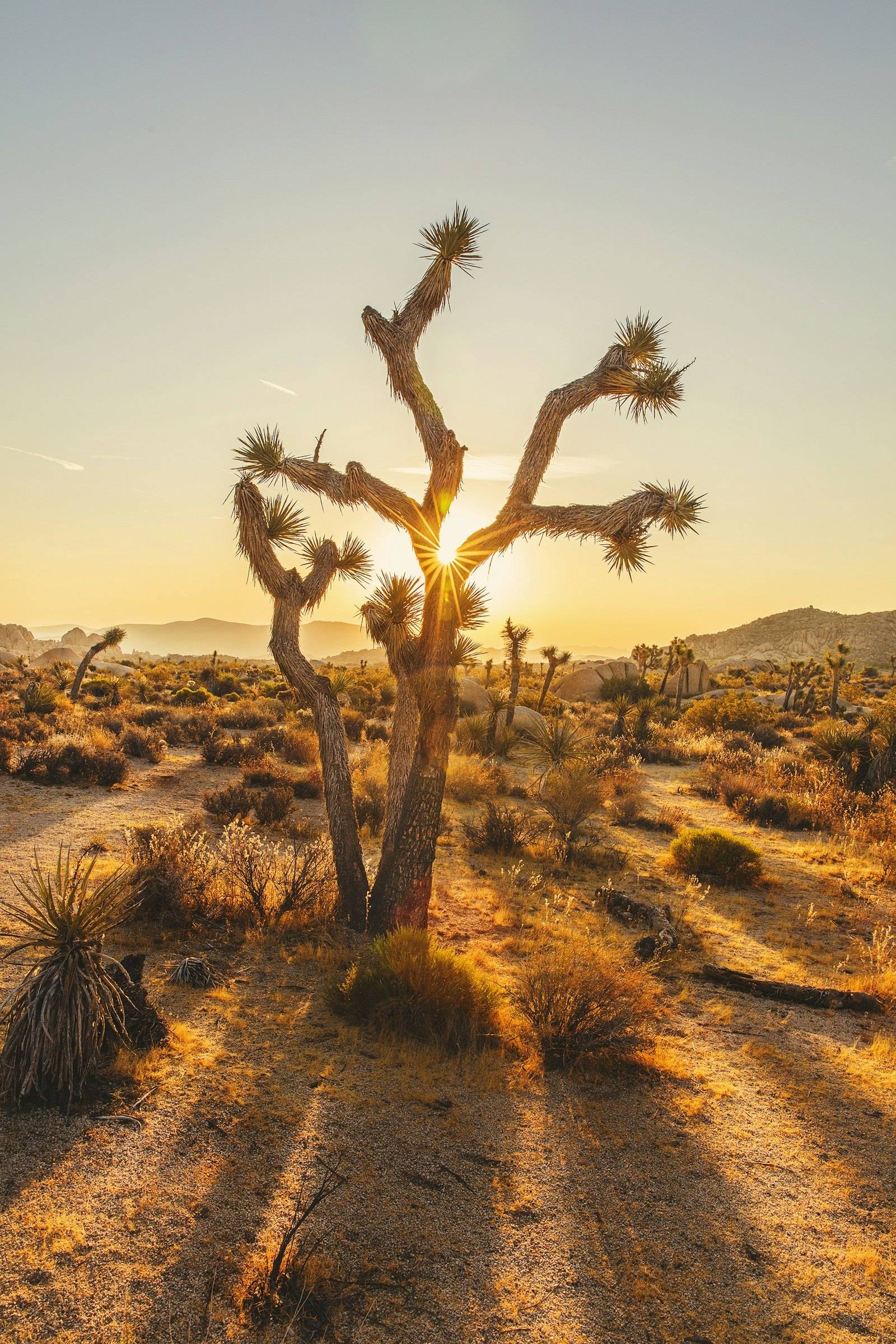
Boulder-strewn high desert around Joshua Tree National Park, Yucca Valley and Twentynine Palms. Days can be hot and nights cold, so pool heating matters more than you might expect.
- Pool season
- Ask about heating outside summer
- Gateway towns
- Joshua Tree · Yucca Valley · Twentynine Palms · Pioneertown
- Guide updated
- November 2, 2026
Why Joshua Tree works for a pool stay
Joshua Tree National Park covers almost 800,000 acres where the Colorado and Mojave deserts meet, and draws about three million visitors a year. Around its northern edge, in Joshua Tree, Yucca Valley, Twentynine Palms and Pioneertown, you’ll find a concentration of design-led vacation homes: modernist houses, restored homestead cabins and architect-built retreats. The private pools here are as varied as the houses, from full in-ground and infinity-edge pools to heated plunge pools and container pools. We label each one precisely.
Pool season: heat by day, cold at night
The National Park Service describes summers as over 100°F by day, not cooling much below 75°F at night. Spring and fall are the most comfortable, with highs typically 70–85°F and lows around 50°F. In winter, highs are usually around 60°F and nights near or below freezing. For pool planning:
- Summer: you’ll want the pool, ideally with shade nearby. NPS advises doing hikes early or late and carrying plenty of water. Its pages suggest at least a gallon (or four liters) per person per day.
- Spring and fall: the busiest seasons. Days are warm enough to swim, but nights are cool, so a heated pool or spa makes evening swims possible. Several houses we’ve researched charge a heating fee outside the summer months.
- Winter: a heated plunge pool or spa under the stars is the draw.
Where to base yourself
- Joshua Tree (village): closest to the West Entrance, five miles south of Highway 62 on Park Boulevard.
- Yucca Valley: the largest town, with the most shops and restaurants, and a short drive to the West Entrance and to Pioneertown.
- Twentynine Palms: home to the park headquarters and the North Entrance, and closest to the darkest parts of the park.
- Pioneertown: established in 1946 by a group of Hollywood investors including Roy Rogers and Gene Autry. San Bernardino County says more than 200 films and TV productions have been recorded there.
Between swims
- Dark skies: the park is an International Dark Sky Park. NPS says the Pinto Basin Road has the least traffic and darkest skies, and the Milky Way is best on a moonless summer night. Quail Springs, Hidden Valley, Cap Rock and Ryan Mountain are designated stargazing parking areas.
- The park itself: the entrance fee covers seven days, at $30 per private vehicle when we checked; an annual park pass is also available. The North and West entrance stations take cards only. Check the NPS fees page before you go, as pass prices have recently changed.
Know before you go
- Water: NPS says there is no water in the park’s interior, and cell reception is very limited.
- Navigation: NPS warns not to rely on GPS directions to and within the park.
- Summer closures: some trails and campgrounds close in the hottest months. The 49 Palms Oasis Trail closes every year from June 1 to September 30.
- Fire restrictions: seasonal restrictions ban wood and charcoal fires in the park in summer. Ask your host about fire-pit rules at the house as well.
- Flash floods: NPS warns they can happen suddenly, even on a sunny day.
Getting there
NPS puts the park about 140 miles east of Los Angeles, 175 miles northeast of San Diego and 215 miles southwest of Las Vegas. The closest airport is Palm Springs.
Pool questions to ask a Joshua Tree host
- Is it a full swimming pool, a plunge pool, a container pool or a cowboy tub, and how big?
- Is it heated? If there’s a fee, is it per day or per night, and in which months?
- Is there shade near the pool for summer afternoons?
- Is the spa separate from the pool, and can it be heated independently?
More in our plunge pools and heated pools guides.